
No products in the cart.
Uncategorized
KPV Peptide: Benefits, Dosing, Side Effects and Gut Uses
Research demonstrates that maintaining MOTSc peptides consistent daily injection times within minutes optimizes plasma concentrations and treatment outcomes. Irregular injection schedules significantly impact KPV (Ac-KPV-NH2) therapeutic efficacy due to the peptide’s 2-4 hour half-life. Proper titration schedules extending over 3-4 weeks allow individual tolerance assessment and optimization of therapeutic outcomes. Aggressive initial dosing may trigger inflammatory rebound effects or injection site reactions that compromise treatment adherence. Research protocols commonly recommend maintaining stable concurrent medication regimens throughout KPV treatment cycles to ensure consistent outcomes.
It is important to say clearly upfront that no such number exists with clinical backing. What preclinical research used experimentally, and why no clinical dose exists. Choose subcutaneous injection for systemic effects outside the GI tract. You need a KPV lyophilized vial (5 mg or 10 mg) — bacteriostatic water, U-100 insulin syringes (29 to 31 gauge), alcohol swabs, and a sharps container. If tanning is the goal instead (see the Melanotan II profile), not KPV. See the full peptides for gut health breakdown.
A reliable ranking for head-to-head gut treatments in humans has not been established. An injected — oral, or nasal treatment regimen cannot be supplied by informal ranges, animal exposures, and cell concentrations. A validated dose or schedule for KPV in humans is not established by the reviewed sources. Research rationale includes experimental anti-inflammatory activity — which is not yet an established treatment or safety profile for humans. The outcomes regarding their varying molecules (indications), and advisories should be kept separate. Guidance on comparing sources is fundamentally different from endorsing a research product for self-administered treatment.
Dosing Protocol and Schedule for the KLOW Peptide Blend
Distinct advantages (profiles of bioavailability), and optimal dosing ranges characterize each method of delivery. Researchers gain insight into the importance of dosing precision through an understanding of these mechanisms. It is essential to consult your healthcare provider prior to initiating any new treatment. Compounded drugs are not subject to premarket review by the FDA to assess their safety (quality), or effectiveness. This service may offer compounded drugs, which are bespoke formulations created by a pharmacy. The interpretation of side effects or treatment outcomes can become more complex when experimental peptides are combined.
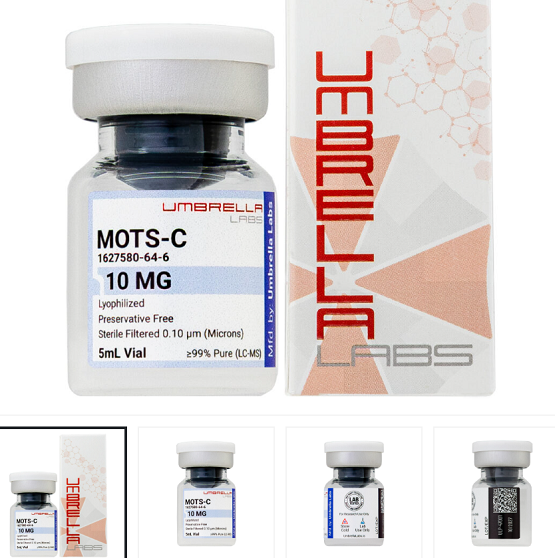
For a separate investigational peptide with gastrointestinal claims, see BPC-157 for gut health. KPV is frequently marketed online for inflammation (gut health), skin concerns, or recovery, but those uses have not been established in controlled human trials. It corresponds to amino acids of alpha-MSH — a larger peptide involved in several biological processes. A research-use label, higher price or purity certificate alone does not establish suitability for patient treatment.
The Klow blend combines GHK-Cu (50mg), KPV (10mg), BPC-157 (10mg), and TB-500 (10mg) in a single 80mg vial. Quality matters more with KPV than with almost any other peptide. No published research exists on any KPV combination. A single 10 mg vial from Everest Peptides gives you 20 doses at 500 mcg or 40 at 250 mcg — and at $44.99 with 15% off using code BRAINFLOW, a full ramp-up cycle comes in under $40. A lot of people reconstitute the injectable powder and simply drink the measured dose rather than injecting it, which works fine for gut goals. The research dose most community protocols are built on comes from the 2008 Dalmasso colitis study, roughly 205 mcg per day given orally to mice.
For enhanced results, certain athletes mix KPV with supportive blends such as hyaluronic acid. What reasons motivate numerous athletes to value KPV? Although your body already utilizes these amino acids, this specific sequence functions in a different manner. The KPV peptide consists of a mere three amino acids—Lysine-Proline-Valine—joined to form a small chain.
Why NinjAthlete’s Approach Wins
KPV is most often run alongside repair peptides rather than alone (which is why Ascension’s KLOW blend pairs it with BPC-157), TB-500 and GHK-Cu in a single vial. All treatments require a valid prescription and provider oversight. The information provided on this website, including all articles, guides, and educational content, is for informational and educational purposes only and is not intended as medical advice, diagnosis, or treatment. Pharmaceutical-grade KLOW with KPV inside, prescribed by a licensed provider, compounded at a US-based 503A pharmacy, and shipped to your door ready to use with no reconstitution needed.

KPV is not FDA-approved for the treatment of any condition — and no published human clinical trial has established an optimal or officially recommended dose. This varies by individual and goal. Sourcing (sterility), dosing accuracy, and interaction checks all matter, and a compounding-pharmacy-backed clinic exists precisely to handle those variables for you. The single most important safety factor isn’t a number on a vial, it’s medical supervision.
Regular follow-up appointments every 2-4 weeks during initial treatment phases ensure optimal outcomes and safety. Qualified healthcare providers can assess individual risk factors (monitor biomarkers), and adjust dosing protocols based on treatment response. Persistent or severe side effects require medical evaluation and potential treatment discontinuation.
Build a personalized titration schedule for your GLP-1 medication. The free FormBlends iPhone app keeps peptide schedules (concentrations), reminders, inventory and progress notes together. Compare Wolverine stack dosage claims with named study methods (formulations), routes and the evidence for combination regimens. Research shows potential for gut health (skin conditions), and immune modulation. Always consult a qualified healthcare provider before starting (stopping), or changing any medication or treatment. A printable 2-page reference covering popular peptides, dosing ranges, stacking protocols, and storage.
Even though the oral bioavailability is probably less than that of subcutaneous injections (community feedback and preclinical studies), especially in IBD models, endorse oral effectiveness for gut-targeted inflammation. For systemic inflammation treatment , as opposed to gut-specific,, the preferred method is subcutaneous injection. KPV should serve as a complementary measure—not a substitute—for evidence-based treatments advised by a gastroenterologist. Nonetheless — it lacks FDA approval and does not substitute for prescribed therapies for serious health issues. In cases of more severe conditions or when systemic repair support is required, subcutaneous BPC-157 may be utilized instead of or alongside oral dosing.
